The New Year chaos has settled, inboxes are filling up again, and teams are finally back at their desks. With 2026 now properly underway, it’s a good moment to take stock of what we’re monitoring across the global supply chain and what it could mean for the year ahead.
What’s already moving?
Shipping routes are adjusting again
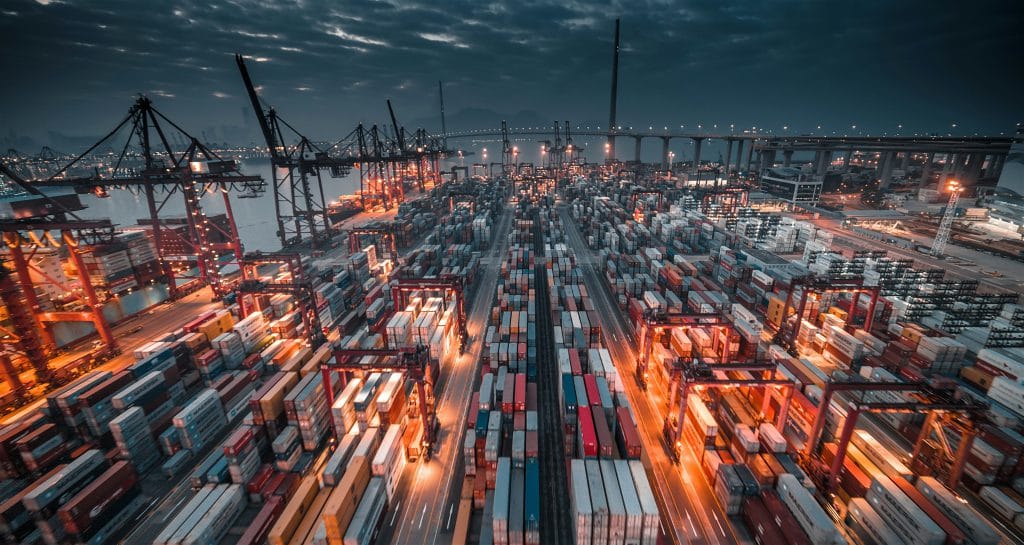
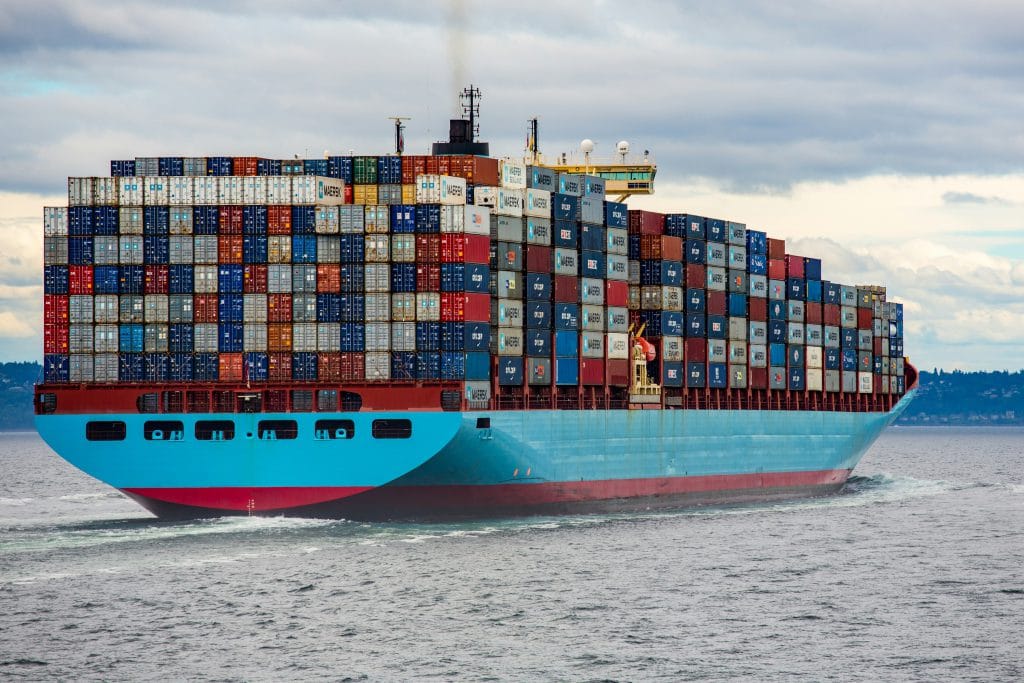
After years of diversions around the Cape of Good Hope, services are beginning to return to Suez Canal shipping routes. This shift could shorten transit times on key Asia-to-Europe shipping routes, but it also introduces renewed volatility in schedules, port calls, and capacity.
For brands reliant on international sourcing, this isn’t simply good news or bad news, it’s a reminder that logistics and supply chain management never stand still.
Trade policy is evolving fast
The U.S. has introduced new actions affecting semiconductors and critical mineral imports. Even if your products don’t directly include these materials, the ripple effects on supplier sourcing, import compliance, and documentation can still impact landed cost management.
Tariffs, paperwork requirements, and compliance standards can shift with little notice. That’s why supply chain visibility and clear supplier communication are no longer “nice to have”; they’re essential to maintaining control.
Marketplace economics are shifting
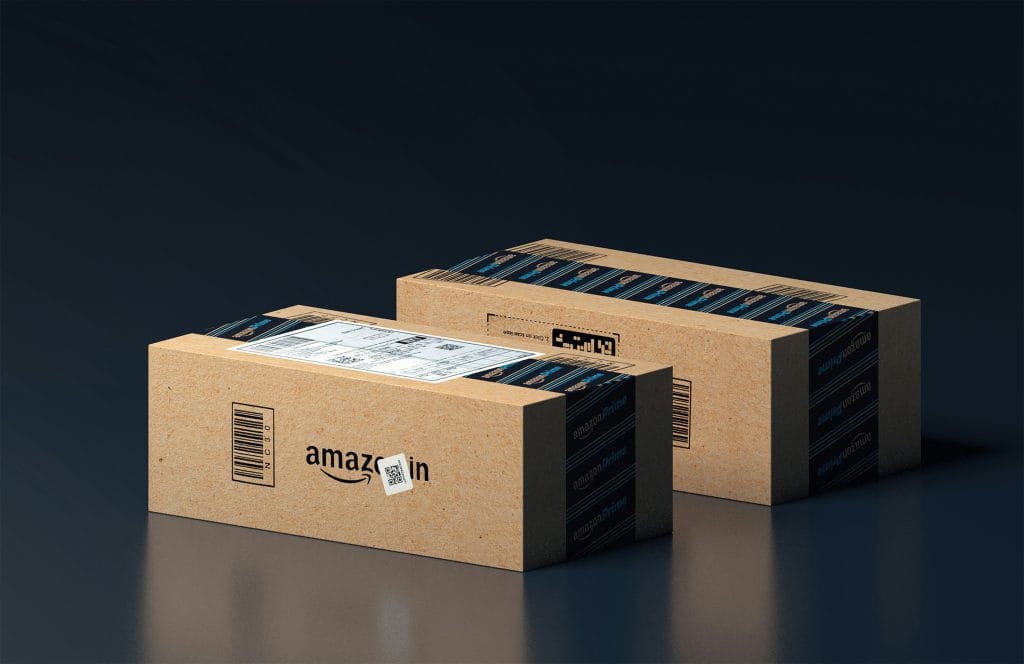
Amazon UK and EU marketplaces have introduced major fee reductions for 2026, including lower FBA parcel costs and reduced referral fees in key categories. These changes create opportunities for Amazon FBA cost optimisation, but they also reshape how profitability plays out by product type.
The brands that benefit most will be those with a tight grip on their cost base, particularly around packaging efficiency, returns management, and warehouse handling.
What this means for 2026?
In 2026, the businesses that win won’t be the ones waiting for conditions to stabilise. They’ll be the ones building systems designed for supply chain risk management and long-term adaptability.
Take maritime routing as an example. A potential return to trans-Suez services may shorten lead times, but it also reshuffles capacity and sailing patterns. For direct-to-consumer brands importing from Asia, that means rethinking forecasts, freight bookings, and buffer stock, rather than assuming last year’s transit times will repeat.
At the same time, ongoing policy changes underline a broader truth: landed costs are not fixed. When teams have real-time cost visibility and strong supplier relationships, they’re not reacting to disruption; they’re actively steering their supply chain strategy.
Fulfilment, integration, and operational discipline
On the commercial side, Amazon’s evolving fee structures mean e-commerce fulfilment strategy has moved firmly into the spotlight. Cost control today depends on operational detail: carton design, returns flow, and warehouse optimisationall play a direct role in margin protection.
For direct-to-consumer brands, 3PL integration is increasingly a competitive advantage rather than a back-office function. Seamless connectivity between platforms like Shopify and modern warehouse management systems (WMS)allows inventory, orders, and returns to move in real time, reducing manual touchpoints that create delays and error.
When fulfilment operations are scalable and data-driven, brands can meet rising customer expectations while keeping logistics costs under control.
How WorldTide supports supply chain optimisation
This is exactly where WorldTide’s supply chain solutions support growing brands. We focus on:
-
Reliable global sourcing
-
Smart logistics and freight planning
-
Quality-first inspections
-
Packaging strategies that protect both product and margin
If you want to start the year with clarity around your global supply chain strategy, cost levers, and operational risk, let’s talk.