When lead times start slipping, the factory is often the first place people look.
But in reality, lead time is rarely determined by production alone.
A finished product only moves when every stage before it has been completed. Materials need to be available. Specifications need to be approved. Documentation needs to be ready. Shipping space needs to be secured. If any one of those stages falls behind, everything that follows is affected.
In 2026, that reality is becoming even more important.
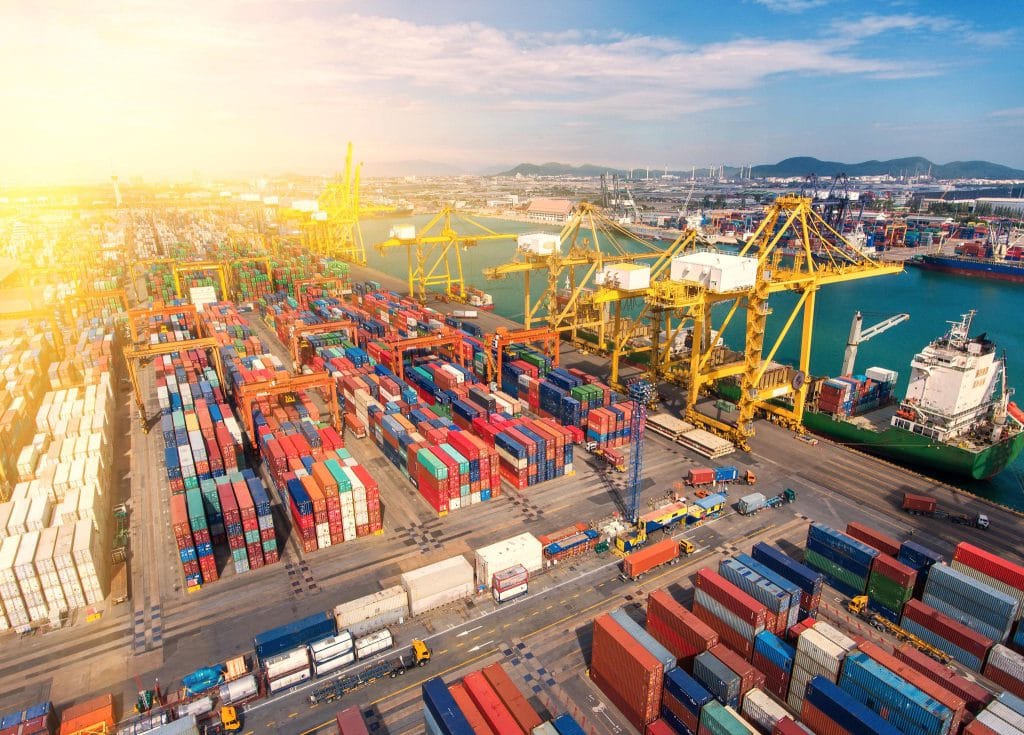
Global supply chains continue to face pressure from fluctuating shipping schedules, capacity constraints, changing trade routes, and regional disruptions. Recent events affecting key shipping corridors have once again highlighted how quickly logistics conditions can change.
The result is that lead time has become a supply chain issue, not simply a factory issue.
What Actually Determines Lead Time?
Many businesses focus on reducing lead times.
A better approach is often understanding them.
If you know where time is being spent, you can make informed decisions about inventory planning, production scheduling, and customer expectations.
Without that visibility, delays feel unpredictable.
With visibility, delays become manageable.
The strongest supply chains are not always the fastest. They are often the most predictable.
Visibility Matters More Than Speed
Small shortcuts create larger operational costs later:
Rework from preventable mistakes
Delayed shipments
Extra quality inspections
Confusion between suppliers and internal teams
Time spent correcting avoidable issues
None of these costs appear immediately.
But together, they reduce efficiency and create inconsistency across the supply chain.
Why Planning Beats Reacting
When businesses only focus on production timelines, they risk overlooking the wider factors influencing delivery performance.
Questions worth asking include:
Are materials available when needed?
Have specifications been fully approved?
Is packaging finalised?
Are shipping bookings secured?
Is all documentation ready before goods leave the factory?
These checkpoints often have a greater impact on delivery dates than production itself.
THE WORLDTIDE APPROACH
At WorldTide, we help clients understand where time is actually being spent across their supply chain.
Because visibility creates control.
A factory can be ready.
A container can be booked.
Production can finish on schedule.
But if one stage in the chain falls behind, everything behind it waits.
The strongest supply chains understand this.
They focus on the entire process, not just one link in it.
Because the chain is only ever as strong as its slowest step.